


Bhutan is home to some of the most picturesque and sacred monasteries set in the Himalayas. These monasteries reflect Bhutan’s spiritual heritage, culture, and timeless traditions, which are more than just tourist attractions. Whether you want blessings for couples, to explore history, or adventure, the sacred monasteries offer an unforgettable experience.
This blog will list the top 10 monasteries in Bhutan that every traveler must visit so that they can experience complete immersion in the spiritual heart of the Kingdom of Happiness.
Let’s Explore the Top 10 Monasteries in Bhutan
Experience top-tier spirituality, scenic beauty, and calmness in the monasteries mentioned below:
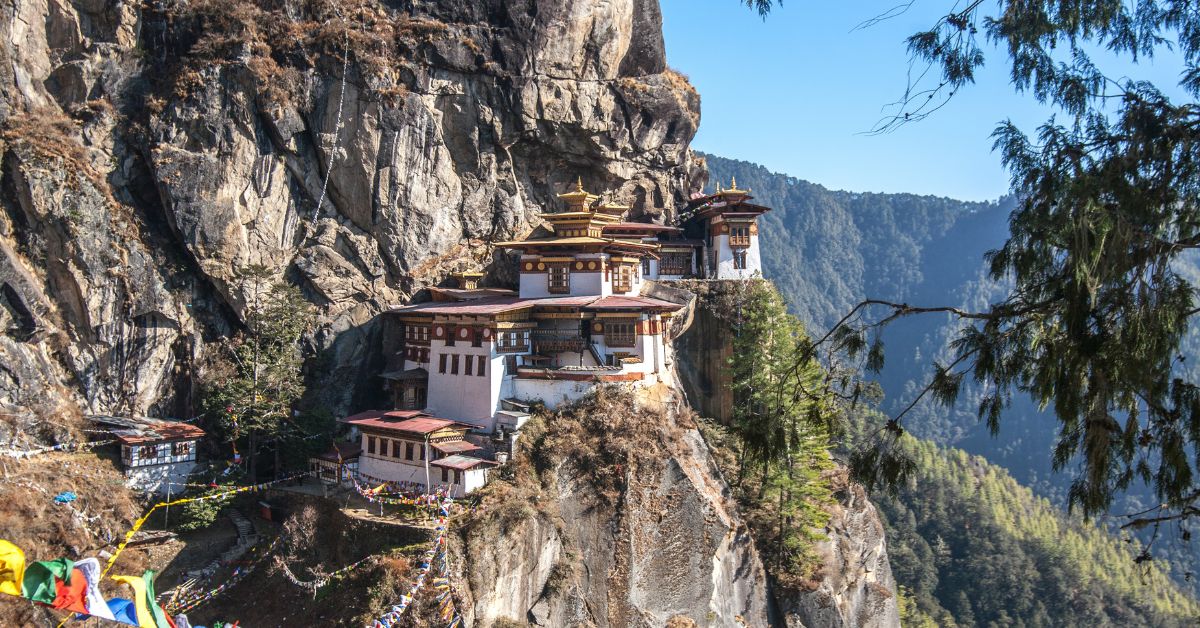
Tiger’s Nest Monastery
Also known as the Paro Taktsang, this monastery is the flag-bearer of Bhutanese spirituality and architectural brilliance. Located at the edge of a cliff 3000 feet above the Paro Valley, it offers panoramic views of the valley floor and pine-tree forests.
It is believed that Guru Rinpoche flew to this location on the back of a tigress and meditated inside the cave during the 8th century. A trek to this sacred place is filled with adventure and dramatic landscapes that feel both peaceful and magical.
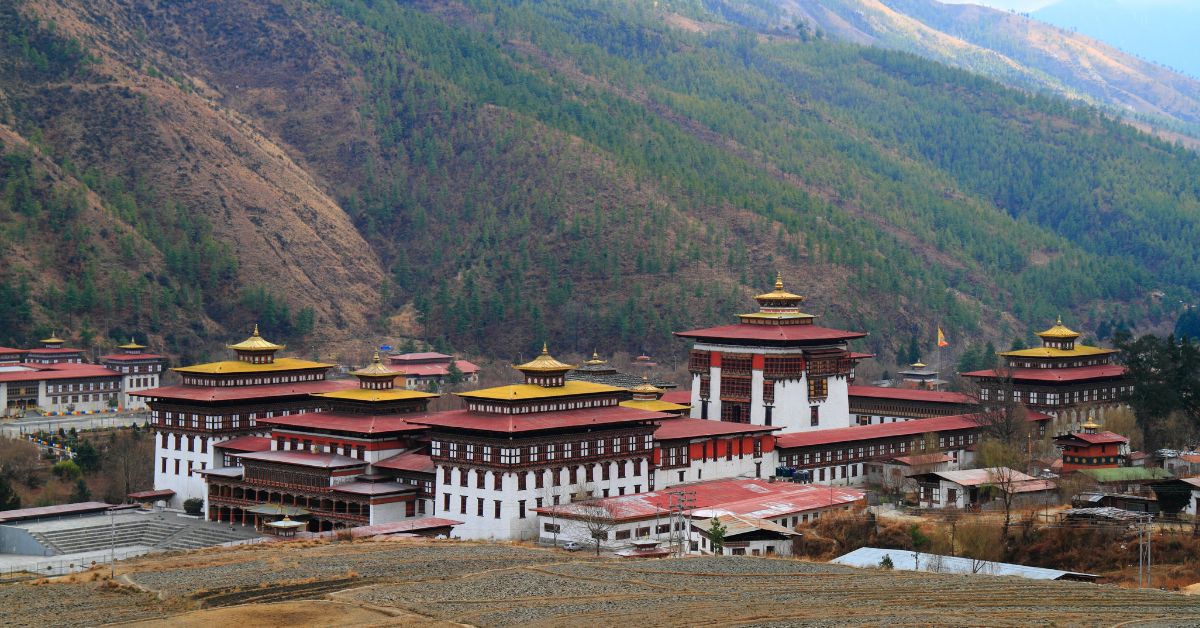
Tashichho Dzong
This monastery was built in the 13th century and currently serves as the seat of Bhutan’s government as well as the central monastic body. Thus, the grand and impressive structure reflects the unique harmony between religion and governance in Bhutan.
The marvellous architecture of this monastery features whitewashed walls, golden roofs, and a well-maintained garden, which makes it visually appealing.
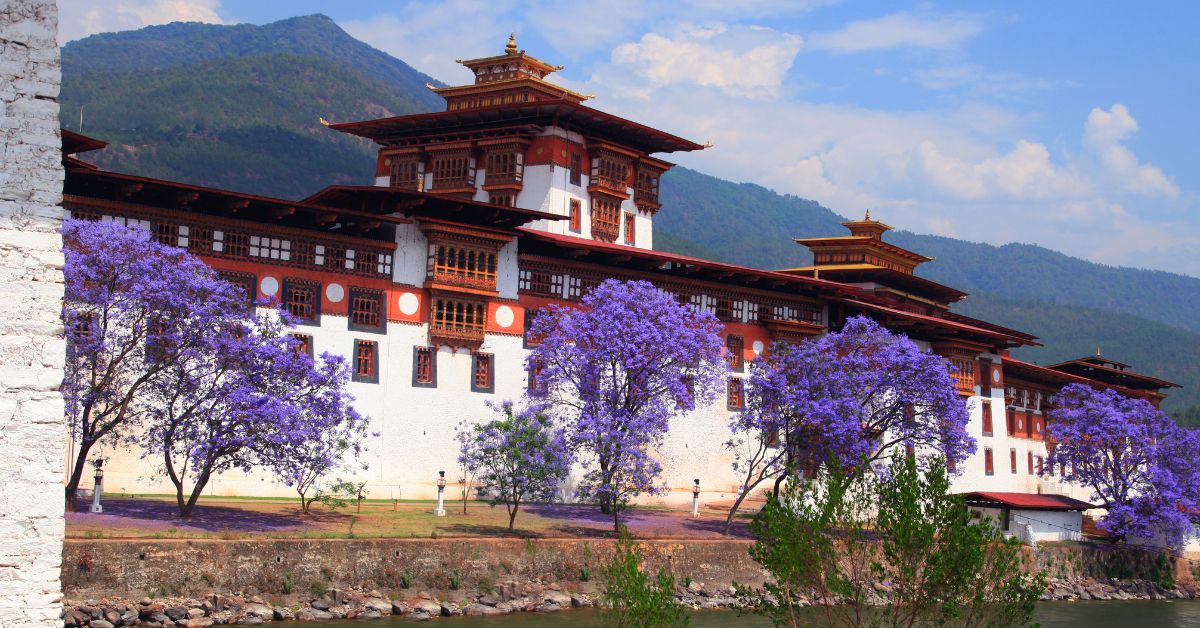
Punakha Dzong
This is a fortress-monastery and is one of the most significant historical landmarks in Bhutan. The structure rests at a picturesque confluence of two major glacial rivers, namely the Pho Chhu (male) and the Mo Chhu (female).
The architecture features intricate wood carvings, white walls, and golden rooftops, which make this historical structure a stunning work of art.
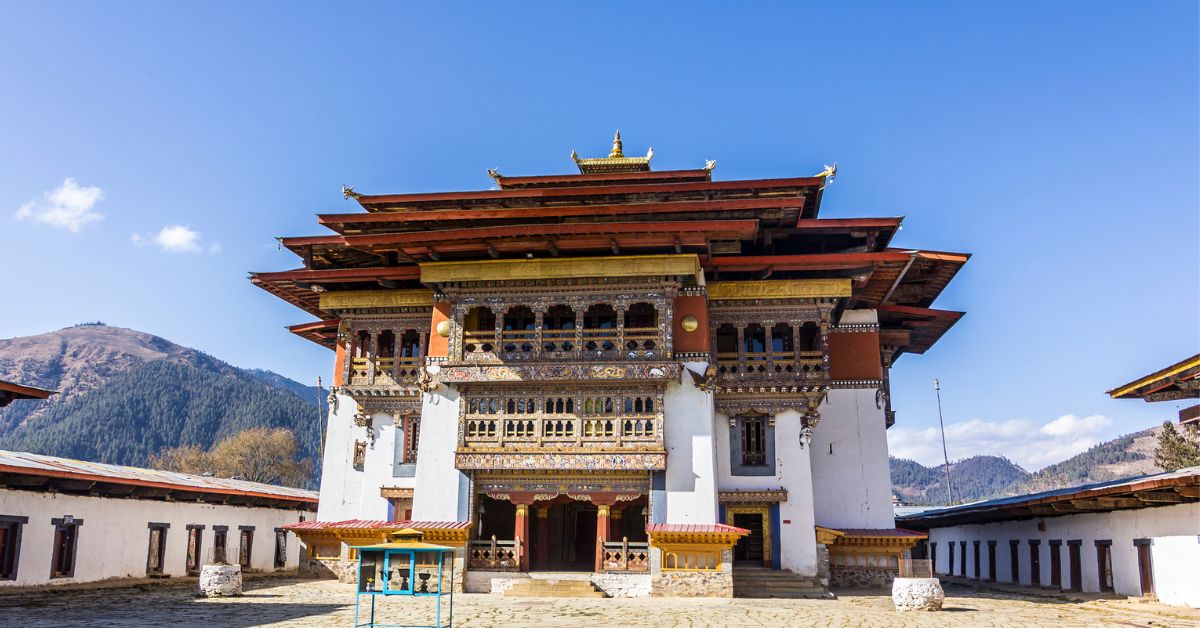
Gangtey Monastery
Located in the glacial valley of Phobjikha, this monastery represents the largest seat of the Nyingma school of Buddhism in western Bhutan. During winter, the black-necked crane festival takes place here, which is marked by the arrival of the migratory birds from the Tibetan region.
The serene surroundings offer you calmness, spirituality, and a deeper connection with nature.
Ringpung Dzong
Also known as the Paro Dzong, this monastery was once considered highly sacred before its conversion into a fortress. The Ringpung Dzong once defended the Paro Valley from numerous Tibetan invasions throughout the 17th and 18th centuries.
In the current time, it is one of Bhutan’s most photographed locations. Additionally, it hosts the grand Paro Tshechu marked by the masked dance.
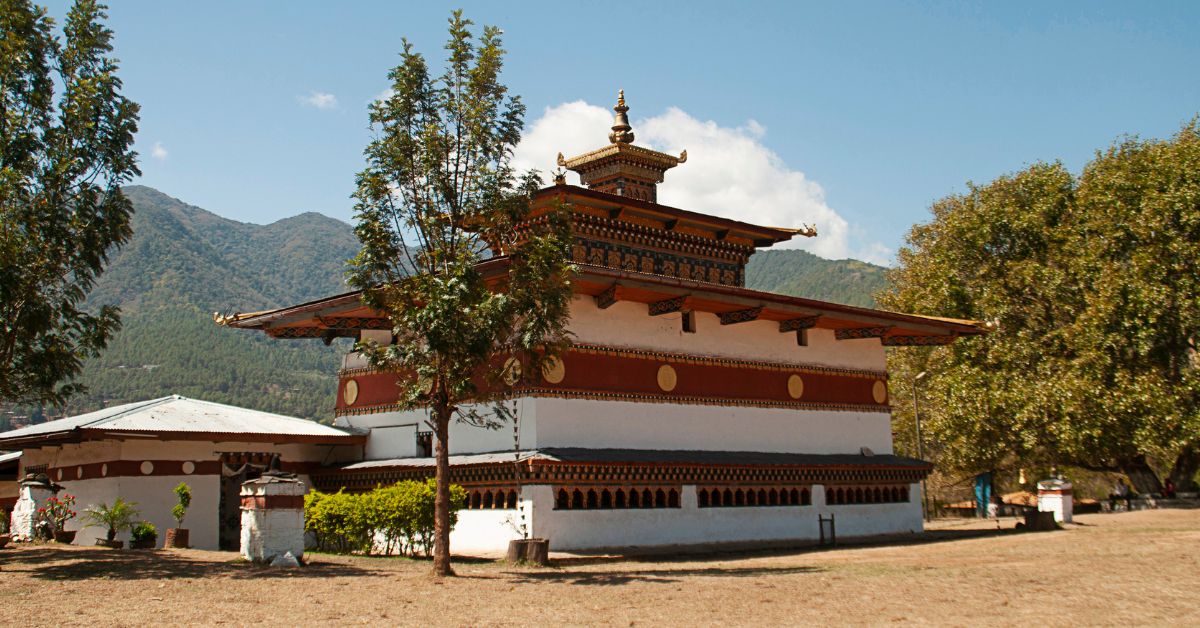
Chimi Lhakhang Monastery:
Also known by the name “Fertility Temple”, it offers a deeply spiritual and culturally unique experience centered around traditional blessings for couples seeking to conceive. Beyond fertility blessings, local families regularly bring newborns and spin prayer wheels.
Surrounded by open rice fields, Chimi Lhakhang is dedicated to the famous saint Drukpa Kunley, known for his unconventional teachings.
Jambay Lhakhang Monastery
Located in Bumthang Valley, it is one of the oldest and most sacred monasteries in Bhutan. During Jambay Lhakhang Drup (multi-day annual festival), the ambience of the monastery becomes lively, featuring traditional dances and sacred rituals.
The tranquil surroundings and spiritual energy make Jambay Lhakhang a truly must-visit place to experience Bhutan’s religious roots.
Kurjey Lhakhang Monastery
It stands as one of Bhutan’s most sacred pilgrimage sites. It is believed to be the place where Guru Rinponche meditated and left the imprint of his body on a rock, which is currently preserved inside the temple.
The monastery complex offers a combination of history, belief, natural beauty, and a reflective environment.
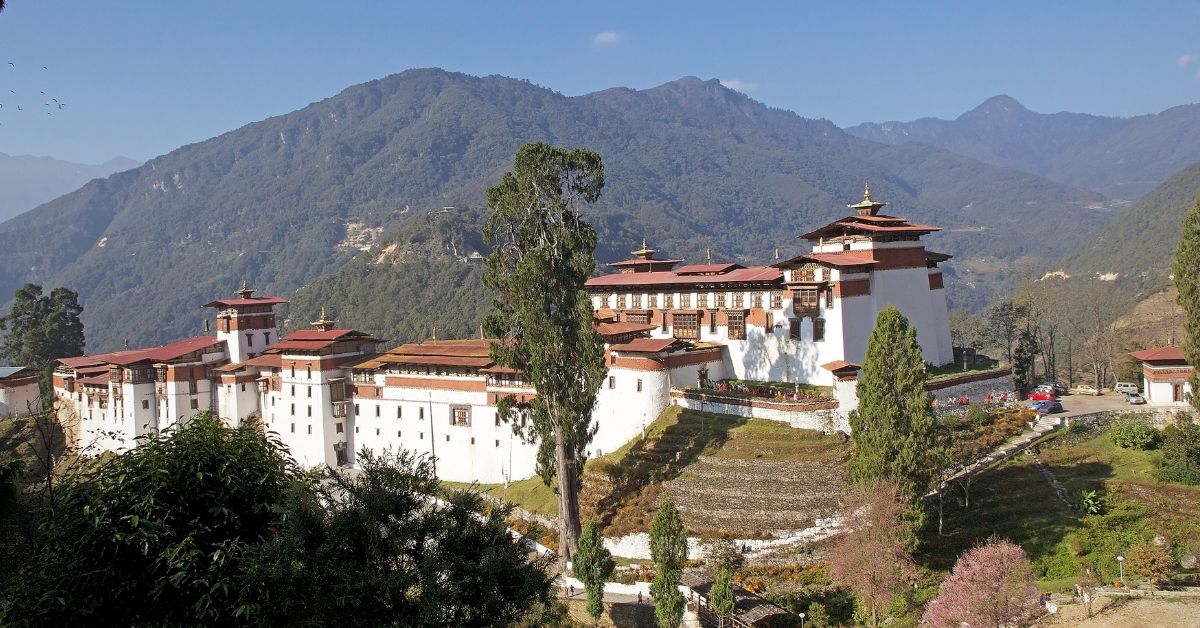
Trongsa Dzong
This is the largest fortress-monastery in Bhutan. The massive structure of this monastery features multiple levels, courtyards, and reflects the beauty and strength of traditional Bhutanese architecture. Additionally, Trongsa Dzong is an architectural masterpiece due to its multi-tiered vertical layout.
Historically, it controlled the main route between eastern and western Bhutan.
Cheri Monastery
It is located at the northernmost edge of the Thimphu Valley. Established in the 17th century, this monastery is surrounded by forest and nature, offering a calm escape from busy life. A short hike to this beautiful monastery features scenic trails and quiet surroundings.
The elevation of this monastery is more than 9000 feet, which rewards visitors with crisp mountain air and panoramic views.
Final Thoughts
The monasteries in Bhutan symbolize the country’s faith, culture, and age-old traditions. From dramatic cliffs to the quaint valleys, the monasteries are set in the surreal setting of the Himalayas, offering a deep sense of peace, mindfulness, and spiritual connection. By visiting them, you can learn about the rich cultural traditions, rituals, festivals, and architectural mastery.
Book your personalized Bhutan trip from India with an expert Bhutan travel agency, such as Kamakhya Bhutan, and explore the top monasteries at your own pace.
FAQs
Q. Which is the oldest monastery in Bhutan?
Answer: Jambay Lhakhang Monastery, located in Paro Valley, is the oldest monastery in Bhutan.
Q. What rules should I follow while entering monasteries in Bhutan?
Answer: While entering monasteries in Bhutan, you must wear clothes that cover your shoulders and knees. Additionally, you must take off your shoes before entering any indoor shrine or altar room. Lastly, photography is strictly prohibited inside the monasteries.
Q. How long is the hike to the Tiger’s Nest Monastery?
Answer: The hike to Tiger’s Nest Monastery typically takes 4 to 5 hours round-trip, covering a total distance of about 6.4 kilometres (4 miles) of steep mountain trail.
Q. Are the monasteries in Bhutan open for visitors every day?
Answer: Yes, a vast majority of the monasteries in Bhutan remain open for visitors every day. The timings are generally from 9 AM to 5 PM, which might vary due to daylight hours across different seasons.
Q. In which monastery can I spot the black-necked crane?
Answer: You can spot the endangered black-necked cranes at Gangtey Monastery (Gangtey Goenpa). However, the birds are found in large numbers in the marshy wetlands of the Phobjikha Valley floor directly below the fortress. October to mid-March are the best months to see these endangered birds.