

Tucked in the Himalayas, Bhutan is home to several ancient monasteries, dzongs and sacred sites that hold the rich heritage and culture at their soul. Tourists across the world come here and explore these architectural marvels, which are more than structures, adding spirituality to the heart. If you are planning a cultural trip to this ancient kingdom, this blog will help you with the Bhutan monasteries guide in an informative way. The moment you arrive in Bhutan, you can feel the air greeting you with divinity and peace. The holy prayer chantings, flapping prayer flags, and a meditative moment spent in the monasteries are not only about exploring the place but also about enriching the experience for your soul.
Also Read: Planning a Trip to Bhutan? - Here’s Why You Need a Local Tour Operator
About Bhutan’s Culture
The lives of Bhutanese people are deeply intertwined with the spiritual practices, making the monasteries and temples essential to their way of life, guided by Vajranya Buddhism. The moment you land in Paro, you can feel Bhutan’s cultural identity is a set of living traditions shaped by Buddhism, authentic village life and diverse mountain geography. The architecture of these sacred places dates back to the 7th century, featuring woodwork, stone, and hand-painted details, and the local family traditions are strong as modernisation arrives slowly here. Whether you visit temples, dzongs, or ancient monasteries, you can witness history everywhere, each of them a tribute to the country’s devotion to preserving its cultural and religious identity.
Let’s Discover the Ancient Monasteries, Dzongs and Sacred Sites in Bhutan
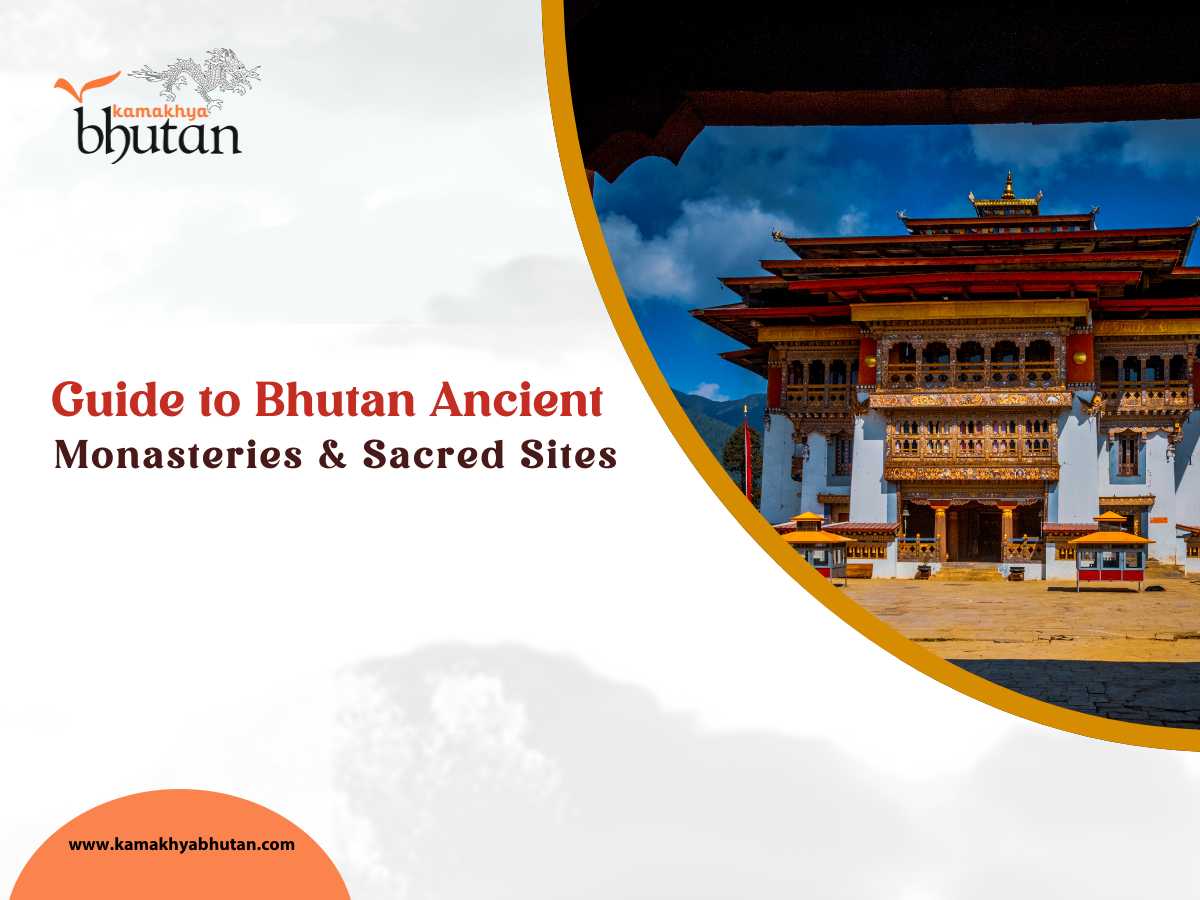
Centring Buddhism, the monasteries and temples of Bhutan play a crucial role in the spiritual and social life of Bhutan. The architectural style of Bhutan’s sacred sites is characterised by its unique blend of traditional elements and regional influence. You will witness the detailed artistry through the gorgeous woodwork, vibrant murals reflecting Buddhism and interesting designs against the breathtaking natural backdrops of the Himalayas.
Get a look at the monasteries, dzongs and sacred sites in Bhutan :
- Paro Taktsang or Tiger’s Nest Monastery:Located at an elevation of more than 3000 meters above the plain, Paro Taktsang is also known as Tiger’s Nest Monastery, Bhutan’s most iconic landmark. This monastery is built dramatically on a cliffside and known to be the place where Guru Rinponche flew on a tigress, meditated and brought Buddhism to Bhutan. The journey to this monastery is filled with adventure and thrill, offering breathtaking views of the surrounding valley. The gold-plated statue of Guru Rinpoche inside the monastery glows in the candlelight, creating an ethereal atmosphere.
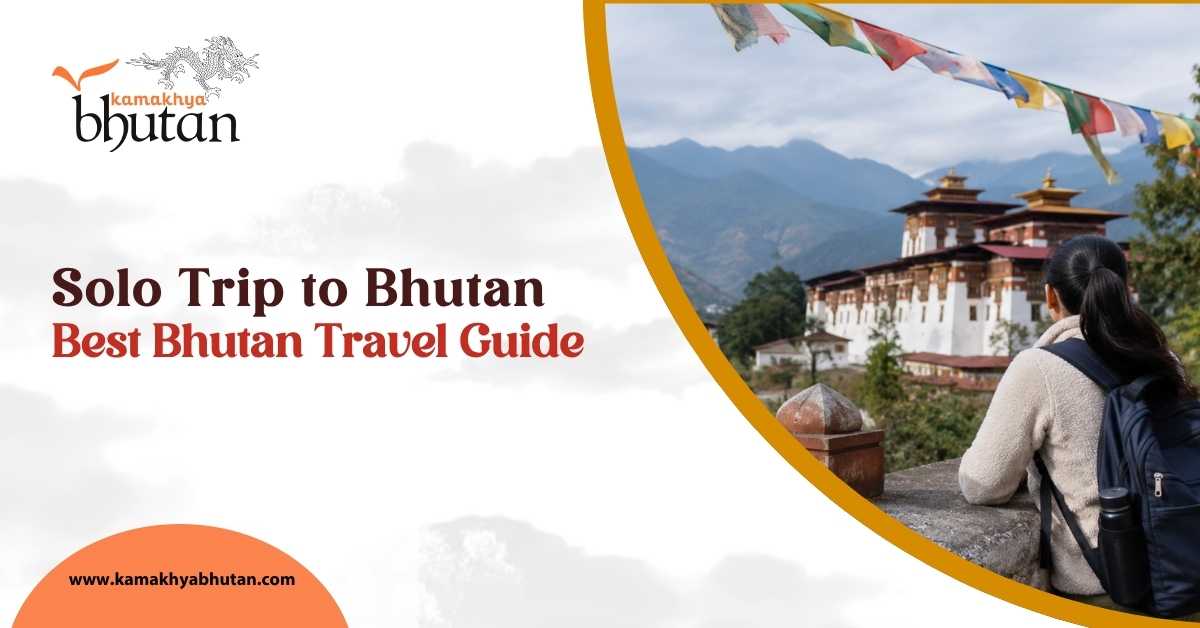
- Rinpung Dzong: Often called Paro Dzong, a giant 17th-century fortress-monastery perched on a hill overlooking the Wang Chhu River, which is accessible by a traditional bridge. Rinpung Dzong is a premium example of Bhutanese architecture, blending military history and spirituality. It contains 14 temples and shrines, including one that houses the relic of Avalokiteshvara or Bodhisatta of Compassion and is located near Paro Taktsang or Tiger’s Nest.
- Punakha Dzong: Another revered fortress of Bhutan, Punakha Dzong is also known as the Palace of Great Happiness. This architectural marvel is built on the confluence of the Mo Chhu and Pho Chhu Rivers. This stunning dzong features intrinsic woodwork, beautiful courtyards and pristine surroundings, making it a must-visit cultural site for tourists.
- Kyichu Lakhang: One of Bhutan’s oldest temples, Kyichu Lakhang, built in Paro, was built in the 7th century and is considered the jewel of Buddhism, believed to be one of the 108 temples which were built by King Songtsen Gampo of Tibet to subdue a demoness. It features the statue of Jowyo Sakyamuni, ancient murals and sacred orange trees that bear fruit all year.
- Phajoding Monastery:Located in Thimphu, Phajoding is a remote monastery that was built in the 13th century. This sacred place is known for silent retreats and secluded meditation caves. A trek to Phajoding offers a panoramic view of the Thimphu Valley, and the monastery houses a sandalwood Buddha statue.
- Gangtey Monastery:Set in the scenic backdrop of Phobjika Valley, Gangtey Monastery, also known as Chagri Dorjeden Monastery, is a dream destination for natural and spiritual seekers alike. The monastery overlooks the valley, which is a winter habitat for black-necked cranes. The stunning architecture and peaceful setting of this monastery offer a serene escape from fast-paced modern life.
- Lhuetse Dzong:Founded in 1550, this monastery is located in one of the most remote regions of eastern Bhutan and is said to have the strongest spiritual energy. This monastery is situated on the hilltops surrounded by mists and mountain peaks. It houses sacred relics that have remained untouched for centuries. The monks here practicea rare tantric meditation that lasts for 49 days. Make a plan and embark on Bhutan spiritual destinations travel to witness its culture.
- Tashichho Dzong: Located at the glorious capital of Thimphu, Tashichho Dzong is a grand fortress that serves as the seat of Bhutan’s government and monastic body. The pristine white walls and golden roofs turn the dzong into an architectural masterpiece. It features various important temples and government offices, depicting the blend of spirituality and governance in the kingdom.
- Chimi Lakhang: Also known as the Temple of Fertility, is a 15th-century architectural marvel located in the Punakha district of Bhutan. It was built by Ngwang Chogyal to honour the Divine Madman saint Drukpa Kunley, a popular pilgrimage site for couples to seek blessings for children. This temple is adorned with vibrant murals and phallic symbols that symbolise fertility and protection from evil spirits.
- Kurjey Lhakhang: Located in Bumthang, Kurjey Lhakhang is one of the most sacred sites in Bhutan, built in the 8th century, that contains the imprint of Guru Rinponche’s body on a rock. This sacred site is believed to have a strong spiritual environment, making it an ideal place for meditation.
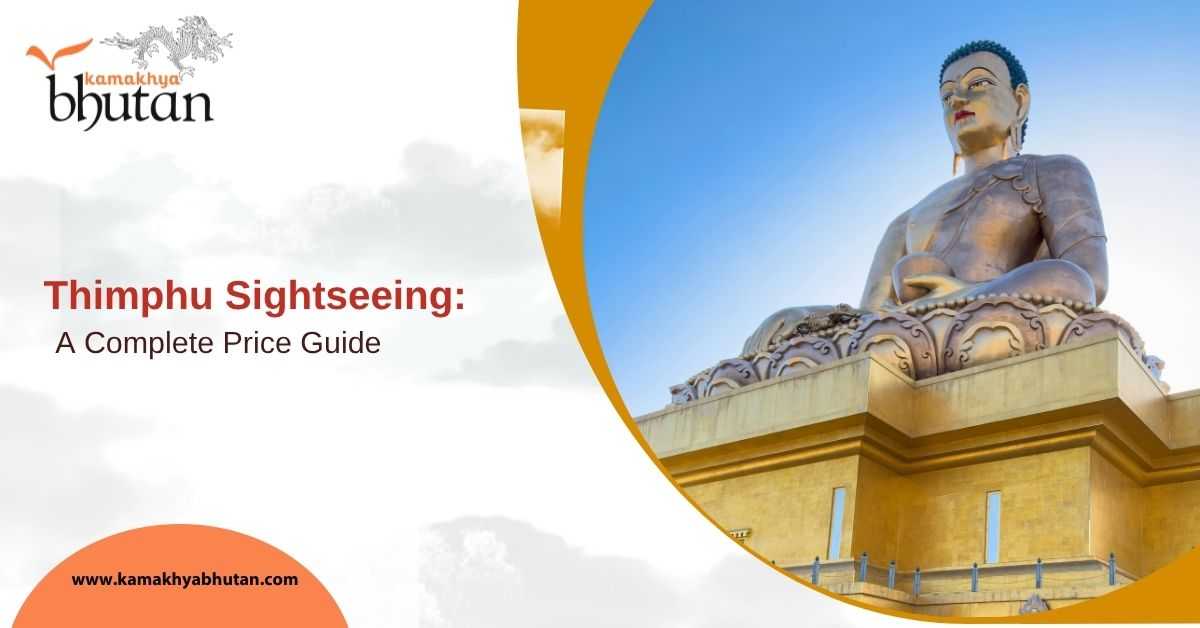
- Buddha Dordenma:The giant statue of Lord Buddha overlooking the capital Thimphu has remained a major attraction for tourists. This iconic structure symbolises peace and enlightenment, and it offers a panoramic view of the city below. The statue’s presence enriches the sense of serenity in the spiritual ambience of Thimphu.
- Tango Monastery: Located at a short and scenic hike from Thimphu, Tango Monastery is a spiritual university where monks conduct deep Buddhist studies for a year, unlike other monasteries. This monastery is less visited but spiritually rich, offering quiet reflection and a hillside view.
Final Remarks,
Bhutan’s monasteries, dzongs and temples are not only places of worship but living spiritual centres preserving Buddhist tradition, culture and the rich history of the country. Each structure holds secrets, hidden relics and spiritual mysteries that make them unique, unlike any other in the world. With a cultural tour to Bhutan’s prominent monasteries, you can enrich your soul by exploring the religious significance, calm your mind when meditating in the serene monasteries and witness the ethereal vistas when travelling to these monasteries. To experience Bhutan’s soul in the sacred sites of the country, plan your trip with Kamakhya Tours and Travels, known for exclusive tour planning.

